
NUCLEAR CAMPUSES
RESOURCES | EVENTS | PARTICIPANTS
In January 2026, the Department of Energy invited states to propose sites for a new class of facility that bundles the front end of the nuclear fuel cycle with the back end. This briefing explores what it means for the communities that would host them and how to build a local strategy for used fuel and waste as the agreements are signed. Campuses will be established through voluntary federal-state partnerships designed to build a coherent end-to-end nuclear strategy for the country.
THE SEQUENCE SO FAR
Jan 28, 2026 DOE issued a Request for Information to states inviting them to express interest in hosting Nuclear Lifecycle Innovation Campuses in voluntary federal–state partnerships.
Apr 1, 2026 Deadline for state responses. Energy Secretary Chris Wright later told a House Appropriations subcommittee that 28 states responded. Governors of Tennessee, Utah, Idaho and Nebraska announced submissions publicly.
July 28, 2026 DOE announced five states signed Memorandums of Understanding (MOU) for further consideration: Utah, Tennessee, Oklahoma, Louisiana, and Idaho.
September 2026, West Virginia signed a MOU.
2027 The RFI envisions initial facilities coming online.
ECA is working to build capacity in communities interested siting of new nuclear fuel cycle facilities, exploring the potential to close the fuel cycle in the United States. ECA efforts ensure communities have the information and informed representatives to meaningfully engage on the issues facing a potential host of a nuclear waste facility and colocation of other projects.
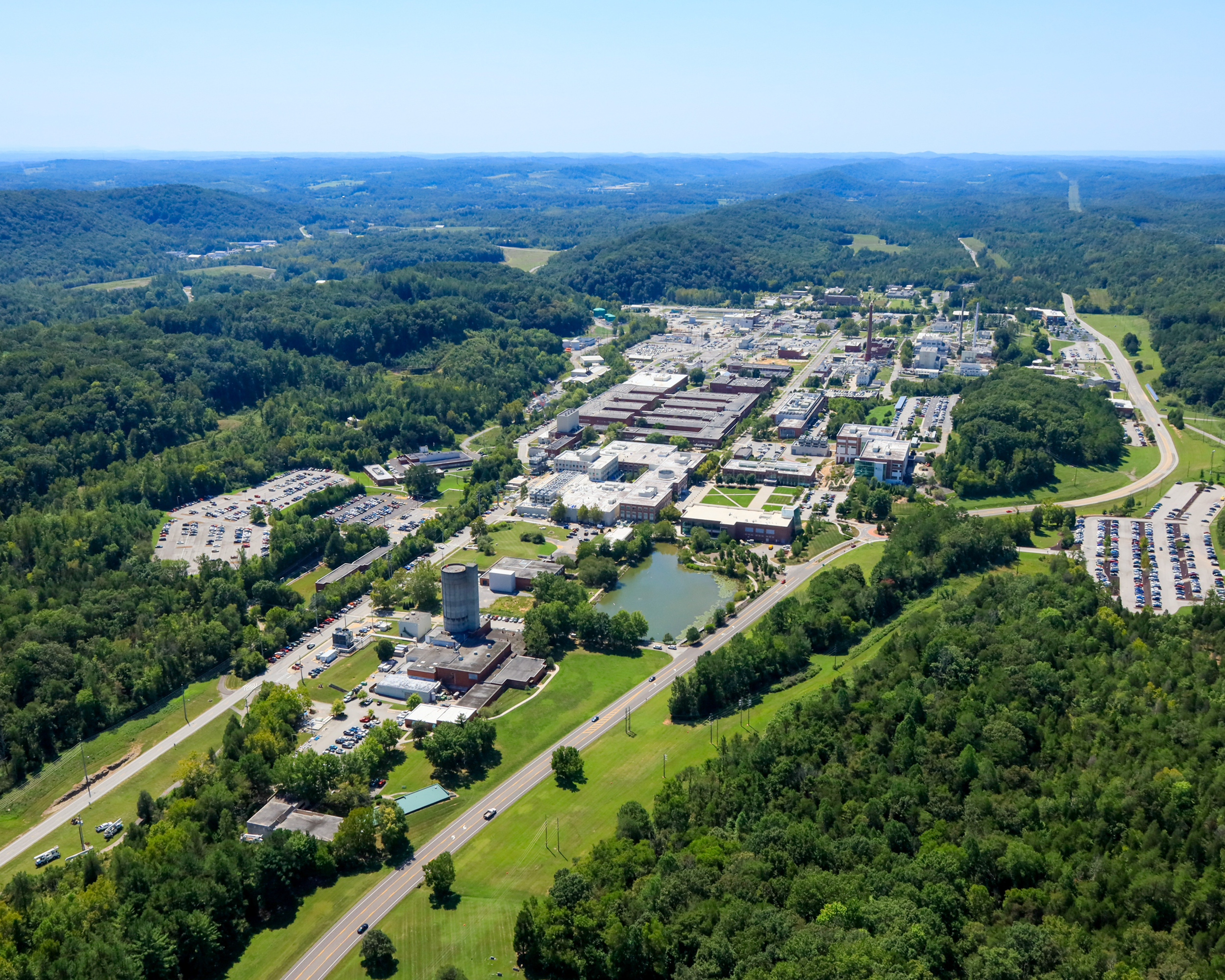
Oak Ridge Reservation, aerial view
What Should Local Governments Consider in a “Community Benefits Package”?
The primary reason local governments are interested in hosting interim or permanent nuclear repositories, along with options for co-located nuclear fuel-cycle facilities, is to create long-term opportunities that support the economy, well-being, growth, and environment of the community. A host local government must seek tools that build sustained, long-term benefits that flow directly to it, such as a “Community Benefits Package. In a new report What Should Local Governments Consider in a Community Benefits Package? ECA outlines what a community benefits package is; why a community will want a community benefits package; how officials can evaluate potential benefits; and what is on the table for governments to ask for.